
Medic's research could be key to future treatments
Injuries sustained by civilian victims of blasts and ballistics incidents could be key to providing future emergency responses.
Injuries sustained by civilian victims of blasts and ballistics incidents could be key to providing future emergency responses.
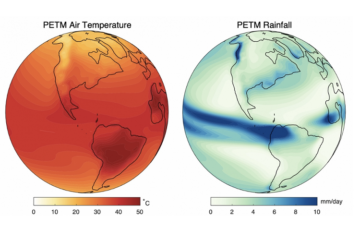
New research suggests maps of climate in the distant past could provide insight into the future as carbon dioxide levels in the atmosphere increase.
In the largest genetic study of dyslexia to date, scientists identify a series of DNA variants linked to dyslexia.
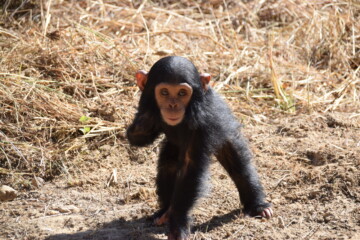
New research shows chimpanzees share a human tendency to unintentionally synchronise their steps when walking alongside one another.

St Andrews and Queen’s University Belfast have been awarded £492,630 to chart the historical evolution of the relationship between Conservatism and Unionism.

An innovative hydrogen train project is on track to help the Scottish Government meet its ambitious Net Zero carbon targets.
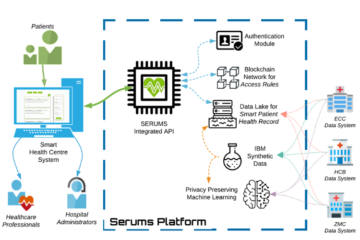
A project led by the University of St Andrews has developed new systems which could help put patients in control of their healthcare data in future.
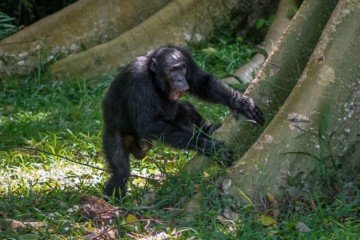
Scientists have shown that chimpanzees in Uganda’s Budongo Forest have their own signature style when drumming on trees.

A team of international researchers has created a micro-refrigerator the size of a blood cell to cool adjacent objects, which could have major applications in quantum technologies.

Researchers from the University of St Andrews have collaborated with Scottish Government scientists to develop a new predictive approach that will help assess the vulnerability the UK’s seabed carbon stores.