Cherry trees bring colour, culture and biodiversity to St Andrews
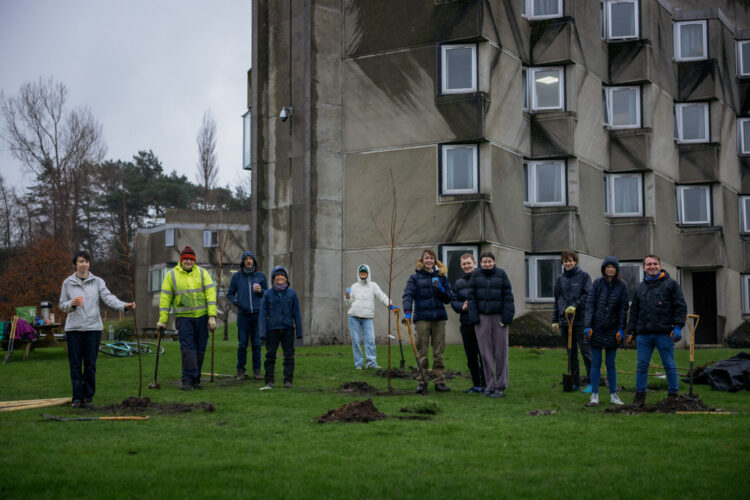
The University has planted its first Sakura cherry blossom trees as part of a nationwide initiative celebrating the longstanding friendship between Japan and the UK. Sixty trees were gifted to the University through the Sakura Cherry Tree Project, with volunteers planting the first copses this week on the lawns of Andrew Melville Hall.
The Sakura Cherry Tree Project aims to plant more than 8,000 Japanese cherry trees, known as Sakura, across the UK, creating a wave of blossom each spring and deepening cultural understanding between the two nations. Originating from the Japan‑UK Season of Culture 2019–2021, the initiative highlights Japan’s rich cultural heritage and its close ties with the UK.
The initiative reflects the University’s commitment to Nature Positive principles, demonstrating a proactive approach to improving biodiversity, restoring natural habitats and enriching the quality of the campus environment
Students living in Andrew Melville Hall had approached the University’s Grounds team with ideas to bring more life and colour to the area. The introduction of Sakura trees provided an ideal opportunity to transform the lawns, with students set to sow wildflower seed next as part of wider Nature Positive ambitions.

Marine Biology student, and Andrew Melville resident, Alex Wiseman said: “Seeing the Sakura trees planted feels like a meaningful step in transforming a simple lawn into a richer, biodiverse space. This project shows how student‑led ideas can grow into improvements that will be enjoyed for years to come.”
Head of Grounds at the University, John Reid, added: “The cherry blossom will bring a celebration of colour each spring and reflects our strong commitment to improving biodiversity on campus.”
The project’s impact extends far beyond St Andrews. Sakura trees are being planted at over 1,000 sites across the UK, from St Ives to Aberdeen, Cardiff to Londonderry, and even the Scilly Isles, Isle of Wight and Orkney. Planting began with an inaugural ceremony at The Regent’s Park in London 2019 and will continue until 2027. The trees, largely the varieties ‘Beni‑yutaka’, ‘Tai Haku’ and ‘Somei‑Yoshino’, were selected for their beauty, seasonal variety and cultural significance.
Keisaku Sandy Sano, Founder and Joint Chairman of the Sakura Cherry Tree Project Team, said: “The response we have had from all across the UK, from Guernsey in the south to the Orkneys in the north, from parks and schools across the UK has been amazing. It is testament to the strong relationship between the two countries, and we hope the trees will be a lasting tribute to that.”
H.E. Hiroshi Suzuki, Japanese Ambassador to the UK and one of the project’s founding members, said: “This project symbolises the never‑changing friendship between Japan and the UK. I am delighted to see the project grow well beyond its original target of planting 1,000 cherry trees, and we have now agreed a new target of 10,000. I hope many British people will enjoy seeing cherry blossoms each spring as a token of warm friendship from the Japanese people.”
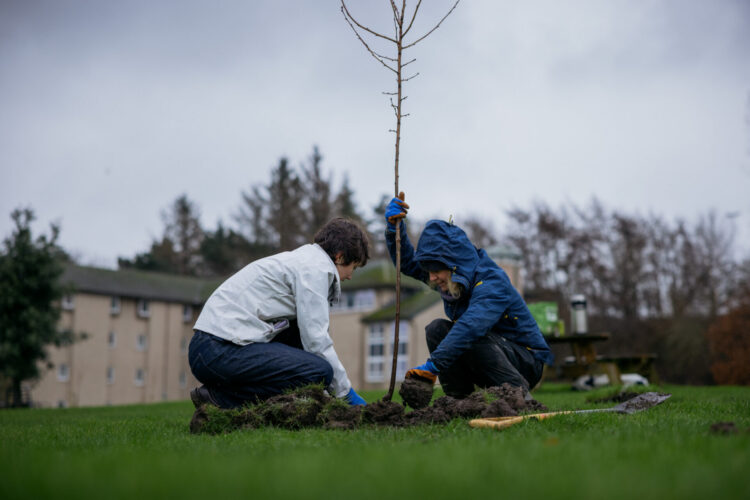
As the newly planted Sakura take root in St Andrews, their spring blossoms will offer not only beauty and biodiversity but also a lasting reminder of the cultural connection and generosity that brought them here.
Category Sustainability