World-leading research boost
Two new global research centres (GRCs) at St Andrews will harness the power of interdisciplinary research excellence.
Two new global research centres (GRCs) at St Andrews will harness the power of interdisciplinary research excellence.
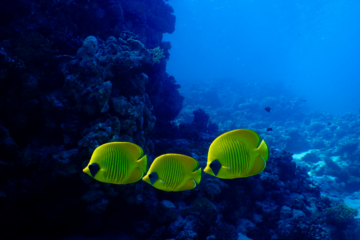
Organisms are becoming smaller through a combination of species replacement, and changes within species, according to new research.
A major scientific expedition to understand biodiversity and ecosystems along Europe’s coastlines comes to the University of St Andrews this week.
A new project at the University of St Andrews has been selected for a prestigious European Research Council Proof of Concept grant.
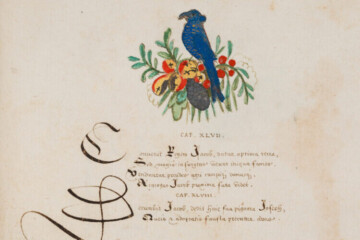
A never-before seen 17th century manuscript by Scottish-based artisan Esther Inglis was unveiled at the University.
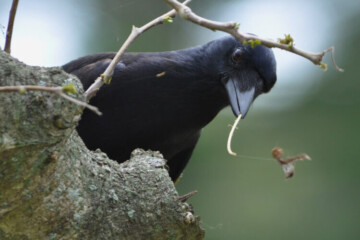
Cutting-edge machine-learning tools could provide transformative insights into the hidden lives of animals.
An international team of researchers have made a technology breakthrough for one of the most important forms of light imaging, which could improve the early diagnosis of diseases.
Researchers have developed peptides that can help combat bacteria growing in biofilms, which occur in up to 80% of human infections.
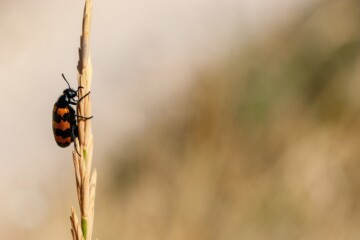
Animals who mate during a heatwave are less likely to reproduce successfully, according to new research led by the Universities of St Andrews and Aberdeen.
In a world first, 3D holographic images of an embryo have been developed as part of a collaborative research project between the University of St Andrews and University of Adelaide.