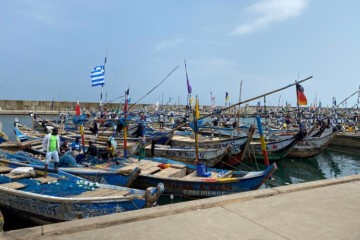
Survival of the richest – attempts to curb illegal fishing are hurting small-scale fishers in Africa most
Attempts to curb illegal fishing in African waters are putting small-scale fisheries at risk, according to new research.
Attempts to curb illegal fishing in African waters are putting small-scale fisheries at risk, according to new research.
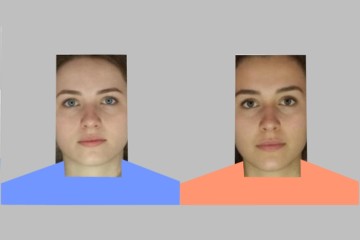
Scientists at St Andrews have finally proved that a person’s complexion determines the colour of clothing that suits them.

Newly categorised 'eggshell planets' have ultra-thin crusts too thin to sustain tectonics and will be hostile to life, says new research.
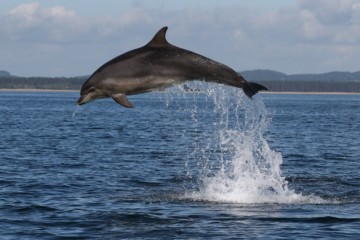
Ancient genes that predate the last Ice Age may be the key to survival, at least if you are a dolphin, according to new research.
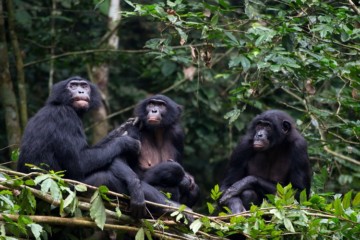
New research led by St Andrews reveals bonobo chimpanzee gestures change meaning according to the specific context in which they are used.
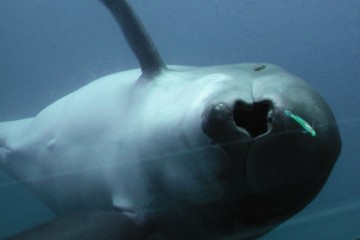
Whales have reaction times as fast as humans, according to new research from St Andrews and a team of international researchers.
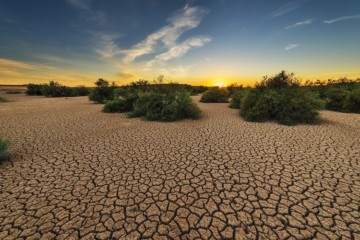
Climate change will be amplified on the hottest days in tropical regions, causing severe impact to human health, new research has found.
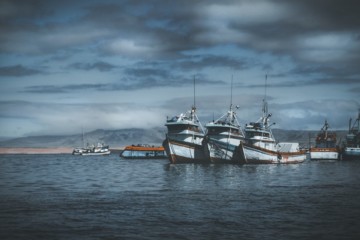
New international climate modelling and geochemical data research confirms major changes to Pacific Ocean currents.
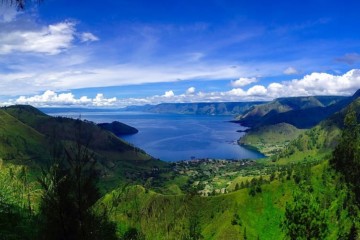
New research reveals the timing of a volcanic super-eruption that may have shaped the evolution of our early human ancestors.

Third Generation Project report reveals the devastating impact of the Covid-1 pandemic on internally displaced persons in Somaliland.