St Andrews scientists unite for Tuberculosis
Scientists from the School of Medicine will play a key role in a global partnership to accelerate the development of new TB drug regimens.
Scientists from the School of Medicine will play a key role in a global partnership to accelerate the development of new TB drug regimens.
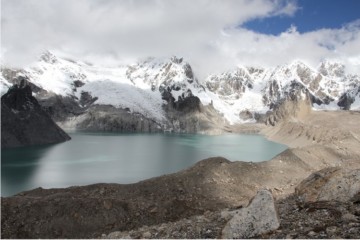
Glaciers in High Mountain Asia have been melting more quickly in recent years due to rising summer temperatures, new research reveals.
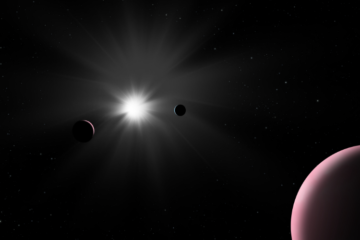
A rare planet has been found by a team of researchers while exploring the Nu2 Lupi planetary system.
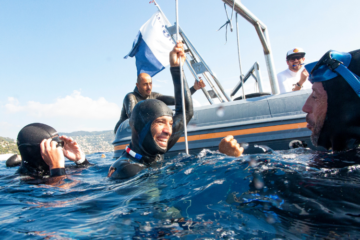
Elite freedivers who dive unaided in open sea have brain oxygen levels even lower than seals during their deepest dives.
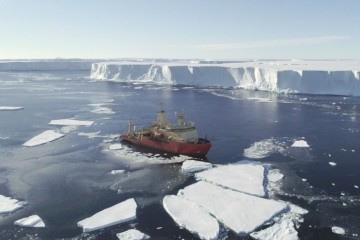
A new international study sheds light on the future of the massive Thwaites Glacier and other ice sheets.
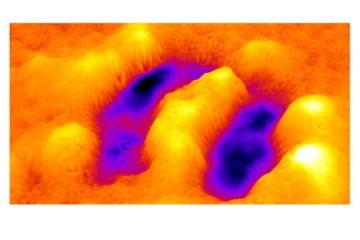
Scientists from the University of St Andrews learn to measure the tiniest forces living cells exert at sheer WARP speed.
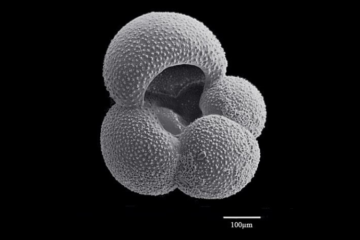
A new study of historical carbon dioxide levels stresses urgent action is needed to avoid prehistoric levels of climate change.

Medieval authors have had their work brought back to life with 21st century technology in an unexpected collaboration at St Andrews.
Professor Malcolm White has been awarded £1.5m by the ERC to study how the bacterial immune system responds to viruses.
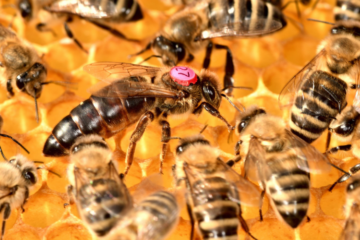
Adult children concede to exploitative mums leading to the evolution of insect societies, new research has found.