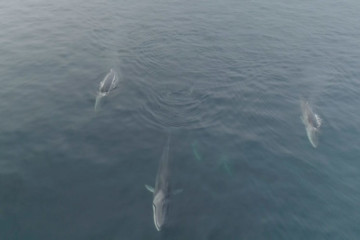
Whales at greater risk from fishing than previously believed
A larger proportion of whales than previously thought is being injured by fishing equipment, according to new research.
A larger proportion of whales than previously thought is being injured by fishing equipment, according to new research.

The number of road traffic collisions (RTCs) in Edinburgh has decreased since a 20mph speed limit was introduced, according to research.
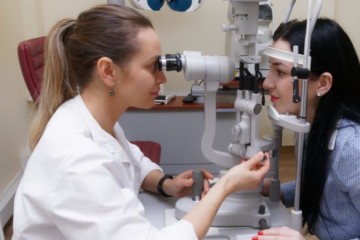
New research from St Andrews finds that a common eye condition has little or no impact on an aspect of a person’s 3-Dimensional perception.

A unique six-planet system, 200 light years away from Earth, has been observed by an international research team.
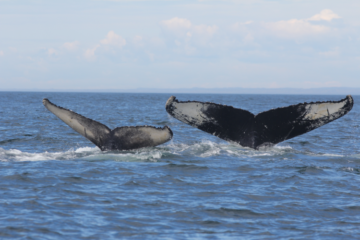
The breeding success of humpback whales in the Gulf of St Lawrence has fallen significantly, according to a new study led by the University.

The University has been awarded a grant of nearly £300,000 to help protect the livelihoods of fishing communities in Peru hit by Covid-19.
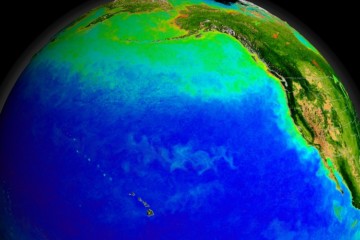
New research reveals significant changes to the circulation of the North Pacific and its impact on the initial migration of humans.

A nation-wide health initiative will only work if formal referrals and prescriptions are used, according to a study led by St Andrews.
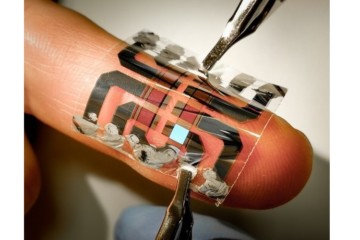
St Andrews scientists have developed a new way of making the most durable, lightweight and thinnest light source available so far.

Icebergs are a crucial factor affecting how much heat the ocean delivers towards a major Greenland glacier, according to new research.