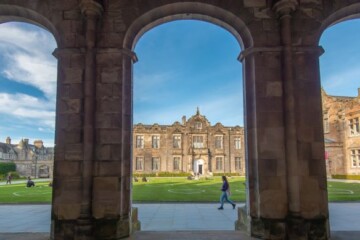
Child-free employees face Christmas bias, according to research
An ongoing study led by Dr Giulia Giunti from the University of St Andrews Business School is highlighting forms of workplace discrimination towards those without children.
An ongoing study led by Dr Giulia Giunti from the University of St Andrews Business School is highlighting forms of workplace discrimination towards those without children.
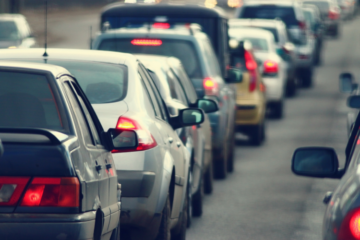
New research from the University of St Andrews has revealed that cumulative exposure to air pollution is linked to a heightened risk of admission to hospital for mental/behavioural as well as physical illness
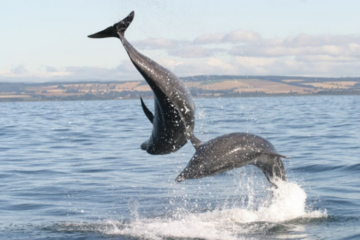
An expert at the University of St Andrews’ Scottish Oceans Institute has developed a groundbreaking tool that uses machine learning to identify dolphin species based on their calls.
Ethnic groups in Scotland were over two times more likely to experience the death of someone close to them during Covid-19 than the white population, according to a groundbreaking report released today
New research from the University of St Andrews debunks the theory that Heart Rate Variability (HRV) is linked to aggressive behaviour.
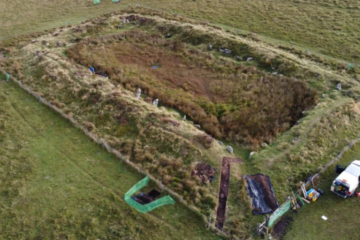
A historic site in Cornwall linked to King Arthur has been found to be 4,000 years older than previously thought after a new survey was carried out by a team of researchers.
The world could be sleepwalking into another pandemic if it does not take the risks of mpox seriously, according to a global health expert at the University of St Andrews.
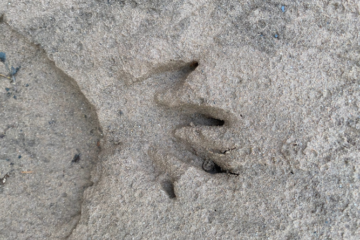
University researchers partner with NatureScot on a public beaver count
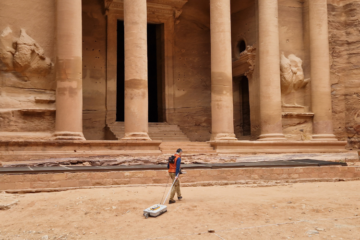
A ground-breaking discovery of a secret tomb at one of the new seven wonders of the world has been made by a team of researchers, including academics from the University of St Andrews.
New research from the University of St Andrews has uncovered how hydrogen bonds can enhance the phosphorescence efficiency and versatility of organic luminescent materials,.