Animals who mate during heatwave less likely to reproduce successfully, new study shows
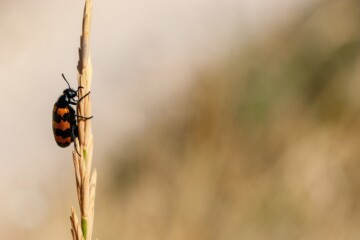
Animals who mate during a heatwave are less likely to reproduce successfully, according to new research led by the Universities of St Andrews and Aberdeen.
Animals who mate during a heatwave are less likely to reproduce successfully, according to new research led by the Universities of St Andrews and Aberdeen.
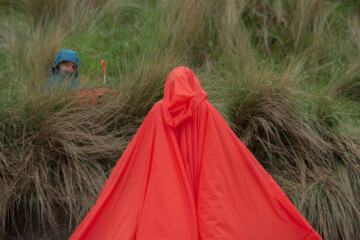
Byre Theatre show highlighted the devastating effects of plastic waste on the planet.

Unaccounted for glacier mass loss equivalent to more than 1000 times the total number of elephants living in the world went unaccounted for due to the inability of satellites to see underwater glacier changes.

St Andrews scientists discover that widespread species increase the number of sites they occupy, whereas more narrowly distributed species decline.
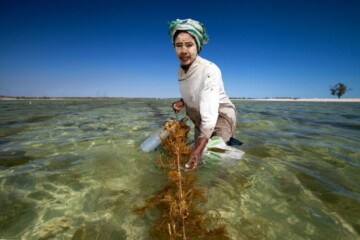
University marks 25 years of supporting sustainable global projects with annual contest.
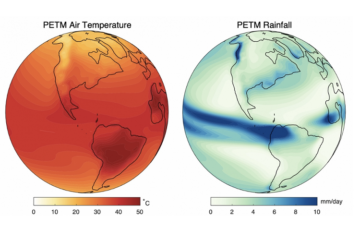
New research suggests maps of climate in the distant past could provide insight into the future as carbon dioxide levels in the atmosphere increase.

An innovative hydrogen train project is on track to help the Scottish Government meet its ambitious Net Zero carbon targets.

A new study of ancient ocean temperatures shows that the deep North Atlantic Ocean was once warmer than the surface of the modern Mediterranean.

A new project to stimulate discussion and debate around Scotland’s future has taken its first major step by awarding funding to nine unique projects.

The University launches its annual global Prize for the Environment today (Monday 7 March).