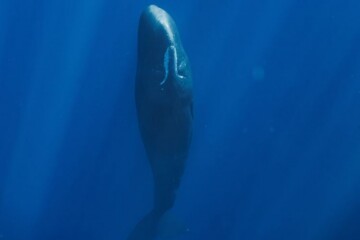
Sperm Whales blow bubbles to achieve restful, vertical sleep
Sperm whales are the only whale known to rest vertically. However, until now, it’s been unclear how they maintained their position just below the sea surface.
Sperm whales are the only whale known to rest vertically. However, until now, it’s been unclear how they maintained their position just below the sea surface.
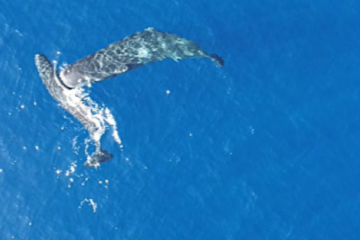
In first known footage, ‘ship sinking’ sperm whales confirmed to headbutt one another, as well as ships.
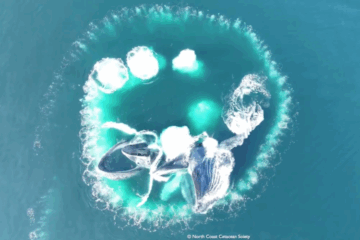
New research highlights shared knowledge in whales that strengthens the population's resilience and may provide conservation benefits.

The UK’s last stronghold for harbour seals now showing significant signs of decline, with falling numbers raising conservation concerns
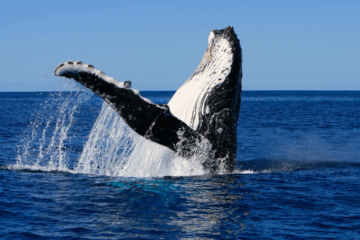
Pioneering research from the University of St Andrews will be the focus of a themed journal issue published today
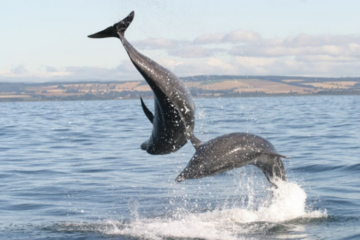
An expert at the University of St Andrews’ Scottish Oceans Institute has developed a groundbreaking tool that uses machine learning to identify dolphin species based on their calls.
A major scientific expedition to understand biodiversity and ecosystems along Europe’s coastlines comes to the University of St Andrews this week.
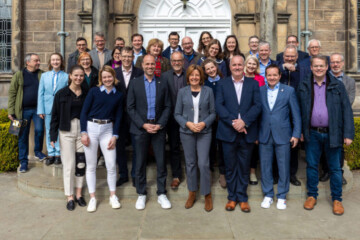
St Andrews played host to a delegation of politicians, academics, and media from Rhineland-Pfalz Palatinate in Germany this week.
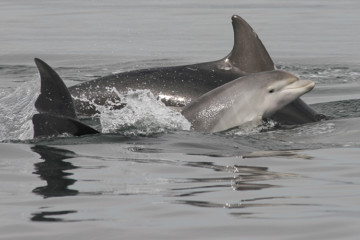
St Andrews researchers have found that dolphins have a unique sense of taste that allows them to identify family and friends.
A chance to meet weird and wonderful sea creatures on an underwater journey is launching at the Wardlaw Museum this week.