Research identifies how doctor-patient interactions can increase physical activity
Patients are open to have conversations about physical activity programmes in the community to improve their health.
Patients are open to have conversations about physical activity programmes in the community to improve their health.
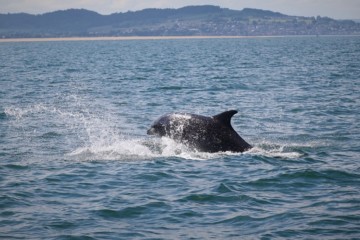
Bottlenose dolphins have been seen in the Tay Estuary area and off the Fife coast by a surveying team from the University of St Andrews.
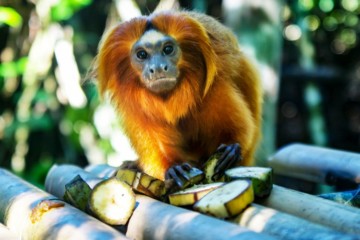
Golden lion tamarin monkeys take the safe option when choosing what to feed their young, just like humans do, researchers have found.
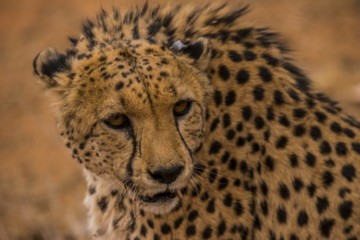
An international team of scientists is investigating how animals are responding to reduced levels of human activity during lockdown.
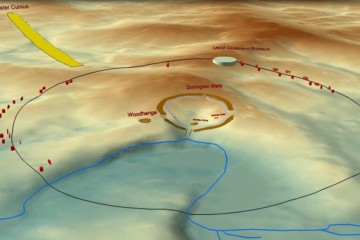
A team of archaeologists are celebrating the discovery of a major new prehistoric monument only a short distance away from Stonehenge.
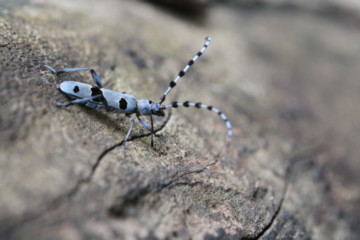
New international research reveals the far-reaching impacts of forest cover loss on global biodiversity.
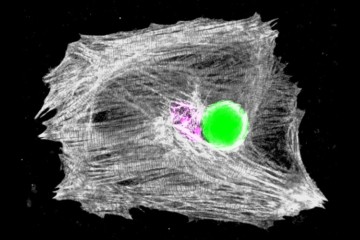
St Andrews researchers have developed lasers beating to the rhythm of a live heart to improve the understanding of heart failure.
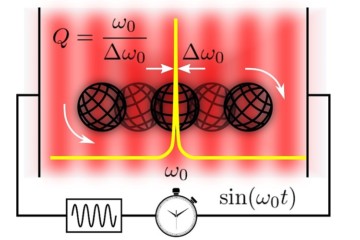
A mechanical ‘clock’ has been created by international researchers, led by St Andrews, which could test the fundamental physics of gravity.
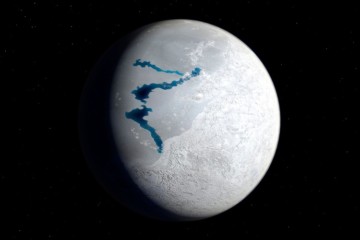
New research helps answer one of the most asked questions in geoscience: when did Earth start to become habitable to complex life?
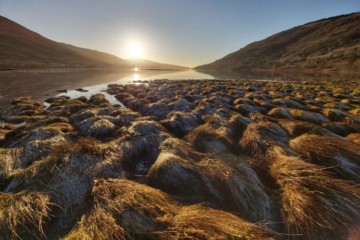
Scientists from St Andrews will study the carbon stored in Scotland’s coastal wetlands and their role in the fight against climate change.