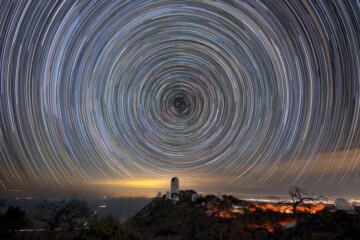
St Andrews astronomers help make the most extensive map of the Universe ever created
An international team of researchers observed more than 47 million galaxies and quasars and 20 million stars.
An international team of researchers observed more than 47 million galaxies and quasars and 20 million stars.
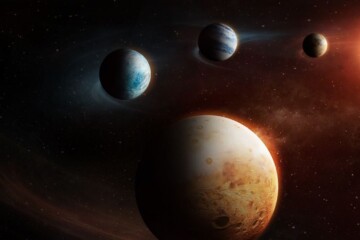
St Andrews researchers have found four planets which break the usual convention of how solar systems are composed.
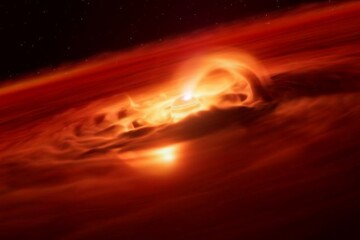
Researchers have revealed a dramatic ‘growth spurt’ in a mysterious rogue planet, a rare type of planet that drifts freely through space, untethered to any star.
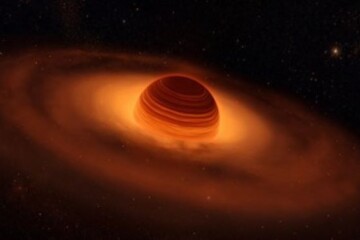
New research has found that giant free floating planets have the potential to form their own miniature planetary systems without the need for a star.
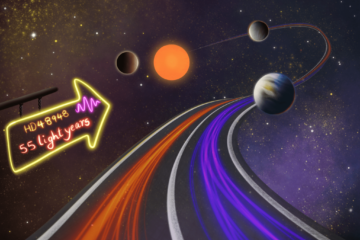
An international team of researchers have discovered three potential “super-Earth” exoplanets orbiting a relatively nearby orange dwarf star, marking an important development in the search for habital planets.
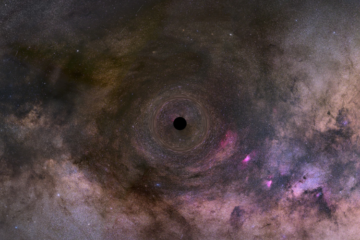
A lonely stellar-mass black hole has been discovered for the first time by a team of scientists that involved the critical expertise of researchers at the University of St Andrews.
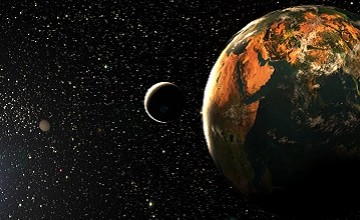
Atmospheric modelling lays foundations of detecting exoplanet biosignatures.
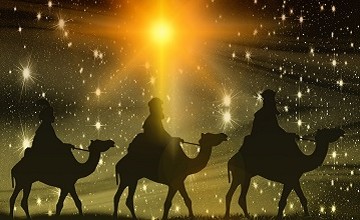
Mystery of the Star of Bethlehem
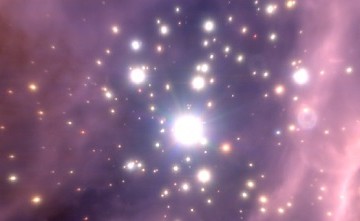
St Andrews astronomer reaches for the stars
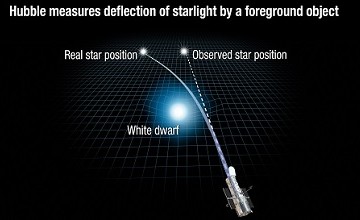
First time this effect has been observed beyond the solar system