
New evidence for early life on Earth
Chemical analyses of the oldest pieces of Earth suggest our planet was habitable 700m years before the date of the earliest fossil.
Chemical analyses of the oldest pieces of Earth suggest our planet was habitable 700m years before the date of the earliest fossil.
New research has identified an important new component of the CRISPR genome engineering toolkit.
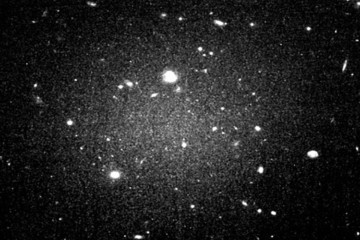
An international group of astronomers, including physicists at St Andrews, has revived a previously debunked theory of gravity.

St Andrews scientists may have helped solve the mystery of why there is so much water on planet Earth.
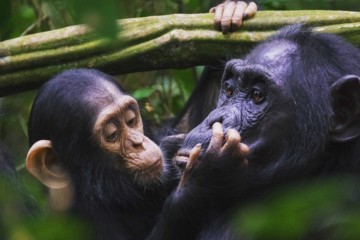
St Andrews scientists have found that young children use the same gestures as chimpanzees and gorillas.

St Andrews scientists are leading the medical monitoring of a new clinical trial to treat tuberculosis more quickly.

Male monkeys take it where they can get it, but female vervet monkeys take lessons only from other females.

A new study, by Whale and Dolphin Conservation and the universities of St Andrews and Exeter, reveals dolphins learn tricks from each other.
Professor Steve Reicher is one of the world’s leading social psychologists who have called for an open and respectful debate over the SPE.
New quantum theory research, led by the School of Physics, could transform the way scientists predict how quantum particles behave.