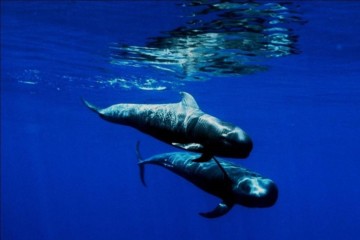
Whales use sonic flashlights
A new study reveals that whales, dolphins and porpoises use narrow beams of high intensity sound to echolocate prey.
A new study reveals that whales, dolphins and porpoises use narrow beams of high intensity sound to echolocate prey.

A team of scientists, led by St Andrews, has shown that wild orangutan mothers utilise a unique vocal phenomenon to warn their offspring.
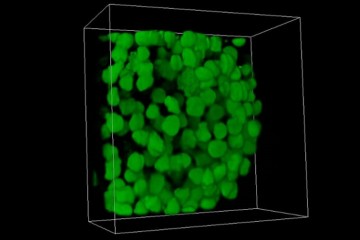
St Andrews scientists develop low-damage optical imaging which could revolutionise the world of biomedicine and neuroscience.
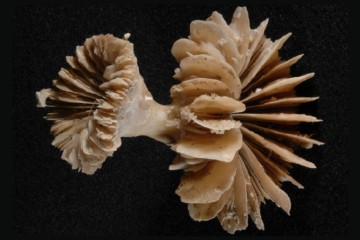
A team of scientists, led by St Andrews, has shown that rapid CO2 release from the ocean around Antarctica helped end the last ice age.

The University has been awarded a share of €11.2 million from the European Research Council’s Synergy Grants to study the Sun.

A new research project has been awarded a €1 million grant to explore the experience of minorities across European nations.
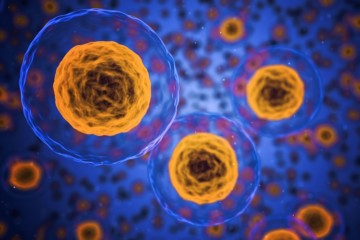
An innovative way to optically image through tissue could allow a more detailed understanding and diagnosis of early stage cancer.
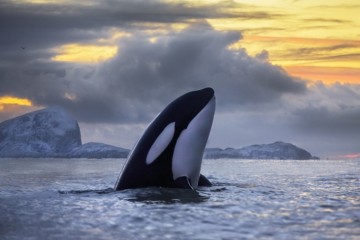
Chemical pollutants in our seas could lead to the disappearance of half of the world’s killer whales in just decades.

New research sheds light on the historical use of waterboarding and its re-emergence at the highest levels of Trump’s administration.

Teenage drinking in Scotland has declined dramatically over the past decade, according to new research led by St Andrews.