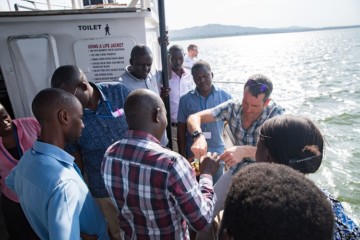
Half a million pounds awarded to study sustainable food sources and human-health in Africa
Major funding body awards half a million pounds to develop cutting-edge research on fisheries and human-health on Lake Victoria in Africa.
Major funding body awards half a million pounds to develop cutting-edge research on fisheries and human-health on Lake Victoria in Africa.
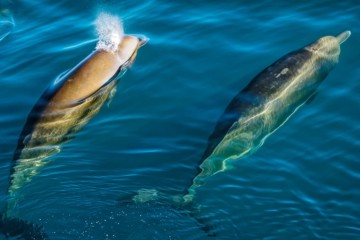
Naval sonar can disrupt the behaviour of northern bottlenose whales over distances never previously tested, according to researchers.
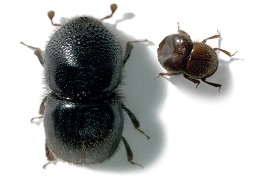
Researchers from Edinburgh, St Andrews and LSHTM have solved the puzzle of why fatherless insect babies are born male.
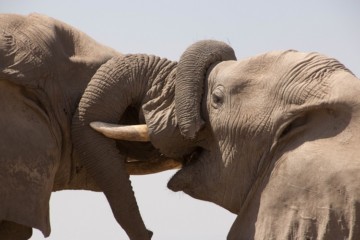
International researchers argue that animals’ cultural knowledge should be considered when planning international conservation efforts.

Fire never just burns. It rips and tears and blazes and guts. At least it did in the headlines which accompanied reports of the BMS fire.
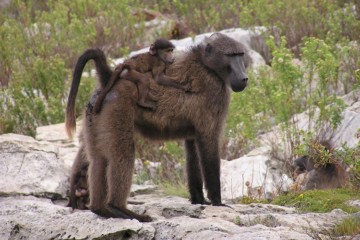
Mapping baboon genomes could help unravel the evolutionary history of modern humans, new research has found.

Bad crowd behaviour is more likely when people face challenging circumstances, according to new research at St Andrews.

New research has identified an important new component of the CRISPR genome engineering toolkit.
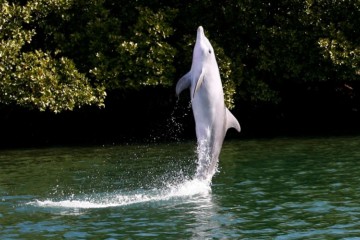
A new study, by Whale and Dolphin Conservation and the universities of St Andrews and Exeter, reveals dolphins learn tricks from each other.
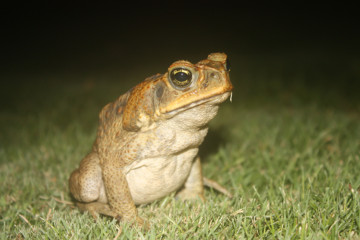
For some animals, such as beetles, ants, toads, and primates, short-term social isolation can be just as vital as social interaction.